

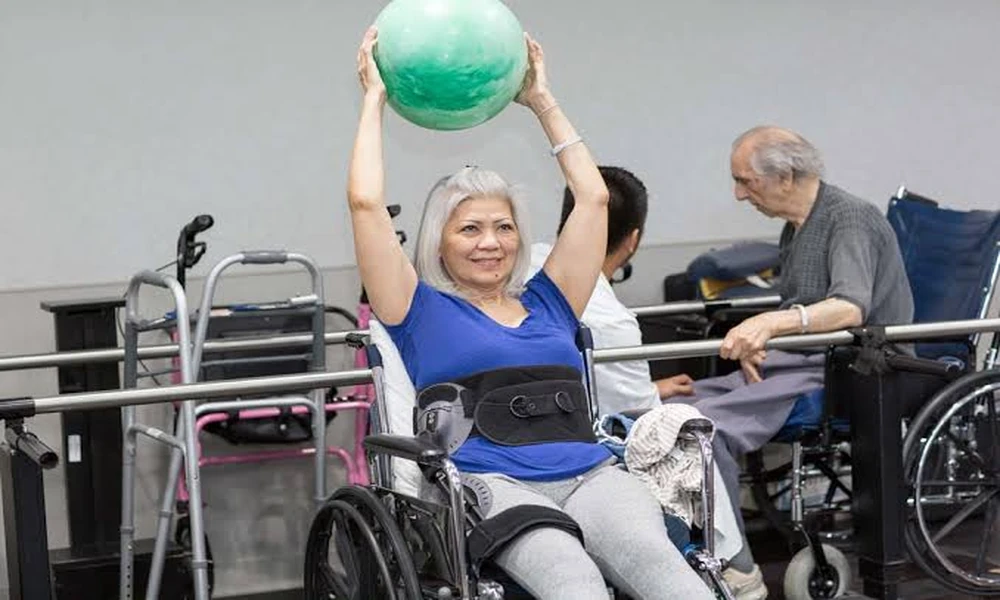
Returning to normal activities after a major heart operation requires patience and careful attention. The body needs enough time to regain strength.The rehabilitation after bypass surgery helps individuals follow a planned routine while building physical ability through gradual daily activities.
Family support also plays an important role during this period. Clear instructions from healthcare professionals help people understand their limits. Regular progress checks can identify difficulties early. A balanced routine involving suitable movement and proper rest can support better progress. Each person should follow guidance based on their condition rather than compare their progress with others.
Following Professional Medical Guidance
Regular advice from healthcare professionals helps individuals understand suitable activities while avoiding unnecessary physical strain during early recovery.
Building Strength Through Gentle Movement
Simple movements can gradually improve body strength. Activity levels should increase only when approved by the care team.
Monitoring Physical Changes Carefully
Paying attention to unusual symptoms allows individuals to seek timely advice and avoid unnecessary complications during recovery.
Encouraging Emotional Wellbeing Daily
Positive support from family members can reduce worry while helping individuals remain motivated throughout their recovery journey.
Maintaining Consistent Follow-Up Appointments
Scheduled assessments help professionals review progress. They can also provide guidance when individual needs change.
Choosing Suitable Everyday Routines
Simple routines make daily responsibilities easier to manage. The rehabilitation after bypass surgery benefits from steady habits supported by professional advice.
Recognising Warning Signs Early
Certain changes require immediate attention. Individuals should contact their healthcare provider when concerning symptoms appear.
Creating A Supportive Home Environment
A suitable home setting can make daily tasks easier. Consider these helpful adjustments:
- Keep frequently used items within reach.
- Maintain clear walking spaces.
- Arrange assistance with demanding household tasks.
- Keep emergency contact details accessible.
- Follow recommended safety instructions.
Encouraging Long-Term Lifestyle Improvements
Lasting progress depends on healthy choices. Individuals should maintain suitable activity levels while following professional recommendations.
Tracking Progress with Regular Reviews
Keeping simple progress notes helps identify improvements. It also allows healthcare professionals to adjust guidance when necessary.
Steady improvement depends on patience and responsible daily choices. Individuals should follow professional instructions and avoid rushing physical activities. Family involvement can provide valuable encouragement throughout the process. A clear routine combined with regular assessments helps identify difficulties early. These practical steps can support lasting health improvements while helping individuals gradually return to suitable everyday responsibilities.
FAQs
How long does recovery usually take?
Recovery varies between individuals. Healthcare professionals can provide realistic timelines based on personal health and progress.
Can walking support recovery?
Yes. Gentle walking may support physical progress when approved by healthcare professionals and adjusted to individual ability.
Why are follow-up appointments important?
Regular appointments help monitor progress and identify concerns early. They also allow professionals to update personal recovery recommendations.


